

Rottnest Island Guide: Everything You Need to Know Before You Go
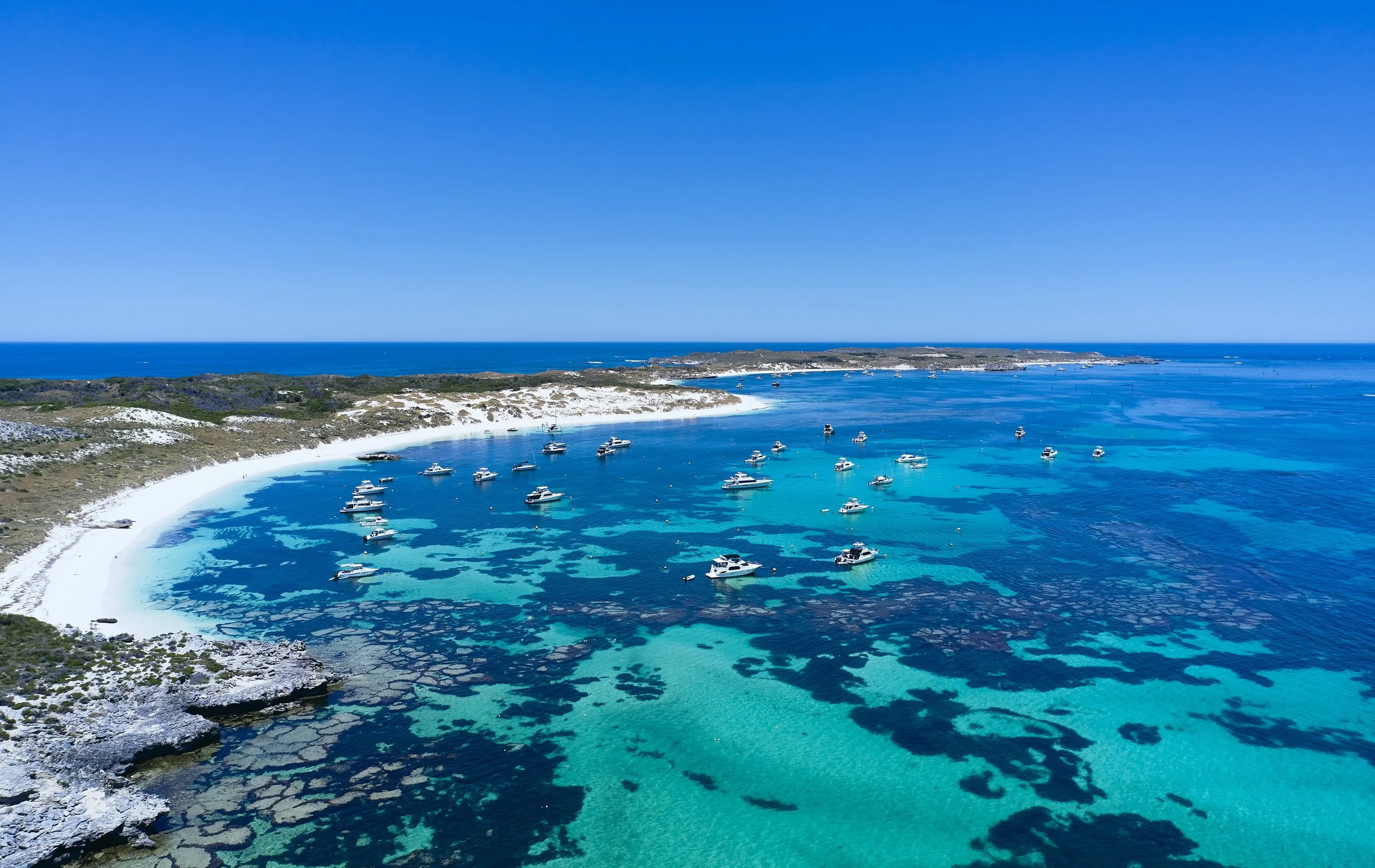
Rottnest Island, known to the Whadjuk Noongar people as Wadjemup, sits just off the coast of Perth, Western Australia. It is one of the state's most loved getaways, offering more than 60 beaches and bays, clear turquoise water, historic buildings and one very famous resident, the quokka. This guide covers everything from getting there and getting around, to where to stay, what to pack and how to plan a trip that suits the time you have, whether that is a few hours or a few days.
Quick Facts
- Ferry crossing time from Hillarys Boat Harbour: around 45 minutes
- Getting around: bike, on foot, or the island bus, the island is car-free
- Home to over 60 beaches and bays
- Famous for quokka sightings, best spotted early morning or late afternoon
- Popular as both a day trip destination and an overnight escape
Jump to a section
A Brief History of Rottnest Island
Long before European settlement, Wadjemup held deep spiritual significance for the Whadjuk Noongar people, and it remains a place of cultural importance today. Dutch explorer Willem de Vlamingh gave the island its European name in 1696, mistaking the quokkas he found there for large rats and naming it "Rat's Nest Island". Over the following centuries the island served various roles, including as a prison and internment site, and many of the heritage buildings still standing around Thomson Bay date back to this period. Today Rottnest Island is protected as an A-Class Reserve, balancing tourism with conservation of its landscape, wildlife and history.
Getting to Rottnest Island
The easiest way to reach the island is by ferry from Hillarys Boat Harbour, with the crossing taking around 45 minutes. Ferries run daily throughout the year, with more frequent sailings during the warmer months. Booking ahead is recommended, especially over summer and public holidays, since sailings can sell out on popular departure times. Check ferry times and fares ahead of your visit so you can lock in the crossing that suits your schedule.
If you are travelling from further afield, hotel transfers can be arranged to bring you straight to the terminal, and free parking is available near Hillarys Boat Harbour if you are driving yourself. Keep in mind that luggage allowances apply on the ferry, so it is worth checking these in advance if you are staying overnight or bringing bulkier gear.
Getting Around the Island
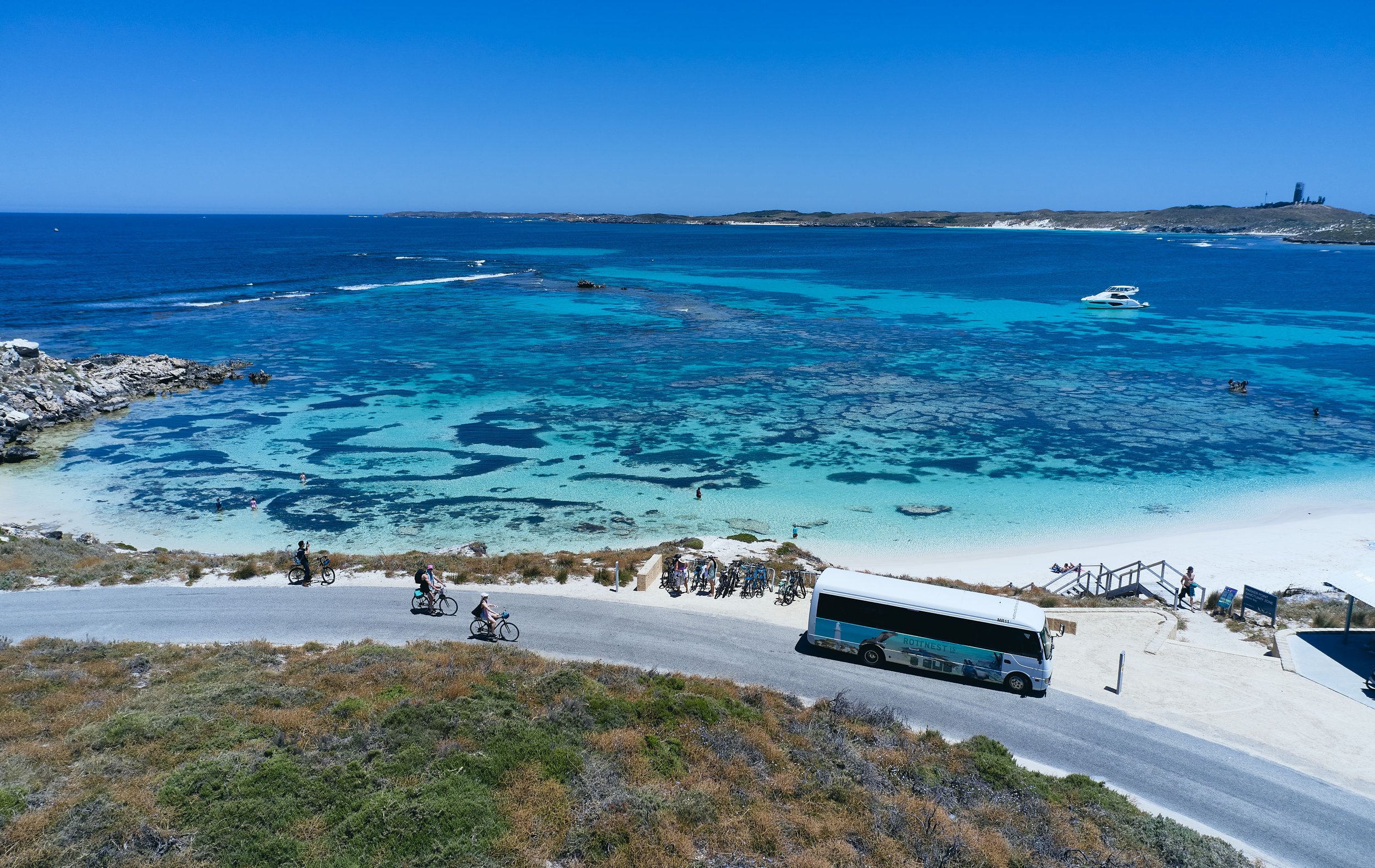
Once you arrive, Rottnest Island is entirely car-free, which is part of what makes it feel so relaxed. Most visitors get around by bike, though walking trails and a hop-on hop-off island bus are also available for those who would rather not cycle. The compact size of the island means nowhere is too far away, and the lack of traffic makes it easy to explore at whatever pace suits you.
Top Things to Do
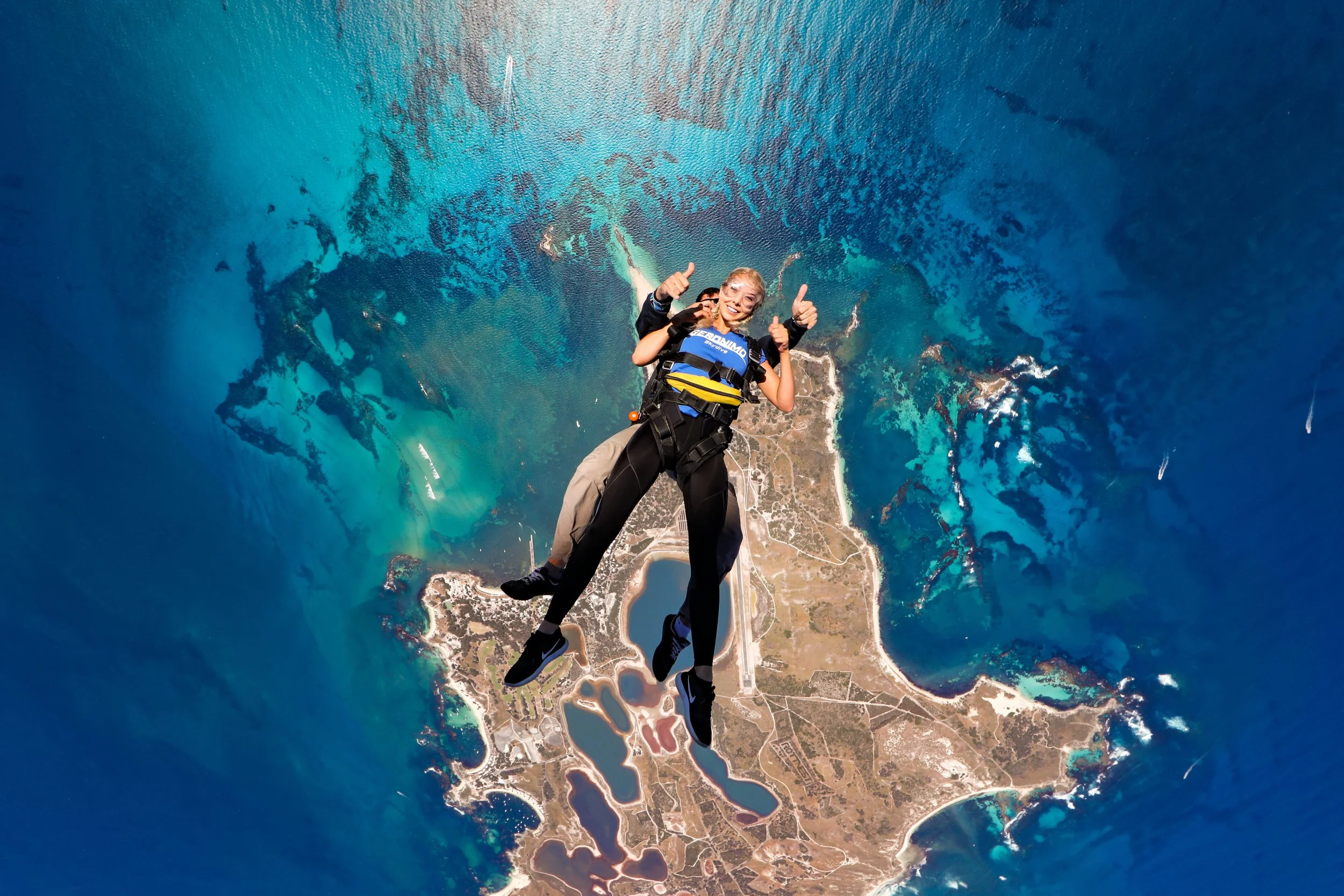
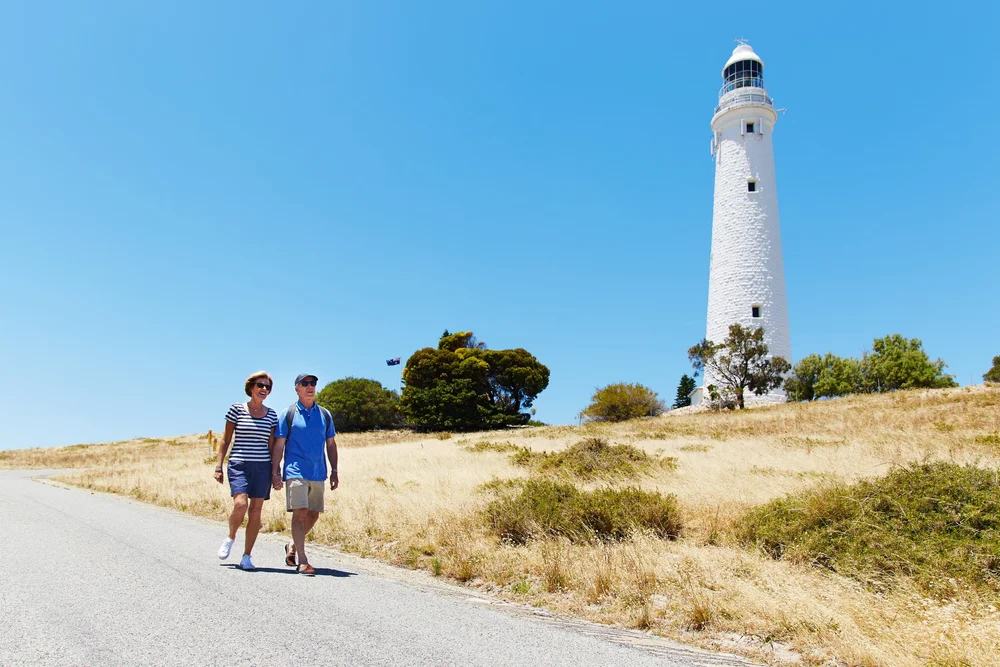
Rottnest Island is packed with cultural, historical and natural experiences, from heritage buildings around Thomson Bay to lookout points with sweeping ocean views. Climbing the Wadjemup Lighthouse rewards you with one of the best vantage points on the island, while the Oliver Hill Battery and its wartime tunnels appeal to anyone interested in military history. Salt lakes scattered across the island are also worth a look, particularly at sunset when the light turns them a soft pink. For visitors after something more adventurous, tandem skydiving over the island is also on offer, taking in the reefs and turquoise bays from the air before landing back on Rottnest. For inspiration beyond these highlights, browse the full range of Rottnest Island experiences before you travel.
Cycling the Island
Cycling is the most popular way to explore Rottnest Island, and for good reason. Bikes give you the freedom to cover far more ground than walking allows, with three local trails suited to different fitness levels, from flat coastal loops to routes with a few more hills further west. Helmets and locks are included with every hire, so you can head off as soon as you step off the ferry. If you are travelling with children, smaller bikes are available too. Rates and inclusions for Rottnest Island bike hire are worth checking before you arrive, especially in peak season when demand is high.
Best Beaches on Rottnest Island
With more than 60 beaches and bays scattered around the coastline, choosing where to swim can be the hardest part of the day. A few consistently stand out for their calm, clear water and easy access from the main settlement.
- The Basin, a sheltered swimming spot protected by reef, a short walk from the settlement and ideal for families
- Little Salmon Bay, known for its snorkel trail and abundant marine life close to shore
- Pinky Beach, right beside the iconic Bathurst Lighthouse, popular for both swimming and photos
- Geordie Bay, a quieter option popular with families and known for calm water
- Stark Bay, further from the settlement and often much quieter, a good choice if you want space to yourself
For a full rundown of every bay worth visiting, along with tips on when to go, take a look at our guide to Rottnest Island's beaches.
Snorkelling and Marine Life
The waters around Rottnest Island are home to colourful reefs, shipwrecks and an abundance of marine life, making it a favourite spot for snorkelling. Calm, clear bays like Little Salmon Bay and The Basin are ideal for beginners, while more confident swimmers can explore further along the coastline, including several old shipwreck sites that are popular with more experienced snorkellers. Visibility is generally best over the summer months when the water is calmer and warmer. If you want to pack light, you can arrange snorkel and flipper hire on arrival rather than bringing your own gear.
Meeting the Quokkas
No trip to Rottnest Island is complete without spotting a quokka, the small, friendly marsupial the island is famous for and the reason behind its name. Quokkas are naturally curious and often approach visitors, but it is important to keep a respectful distance and avoid feeding or touching them, both for their wellbeing and yours. Human food can make quokkas unwell, and touching them can cause unnecessary stress to a wild animal. If you would like a guided way to see the island and its wildlife, a Quokka Hopper bus tour takes the guesswork out of where to look and adds some local knowledge along the way.
Where to Stay
If you would rather slow down and stay a night or two, the island offers everything from beachfront resort rooms and heritage cottages to self-contained units and campsites under the stars. Staying overnight means you get the island to yourself once the day trippers head home, with quiet beaches, warm evening light and brighter stars after dark. It also means you can fit in an early morning swim or bike ride before anyone else is up. Browse Rottnest Island accommodation options to find what suits your trip, whether that is a resort stay, a family bungalow or a budget-friendly campsite.
Where to Eat
Thomson Bay is the main hub for dining on the island, with a range of options from casual fish and chips by the water to sit-down restaurants and bakeries. Many visitors like to pack a picnic and find a quiet beach to enjoy lunch with a view, especially on a warm day. If you are staying overnight, it is worth booking dinner in advance during busier periods, since popular spots can fill up quickly once the last ferry of the day has come and gone.
Best Time to Visit
Rottnest Island is a great destination year round, though conditions vary with the seasons. Summer, from December to February, brings warm water and long days that suit swimming, snorkelling and cycling, but it is also the busiest and hottest time to visit. Autumn and spring offer a good balance of pleasant weather and smaller crowds, while winter is quieter still and better suited to walking trails, wildlife spotting and taking in the scenery at a slower pace. It is worth checking the current Rottnest Island weather before you pack, so you know what to expect on the day. For a closer look at what each month has to offer, our month by month guide to Rottnest Island breaks down conditions, crowds and highlights across the year.
Sample Itineraries
One Day on Rottnest Island
Catch an early ferry and pick up your bike hire as soon as you arrive. Spend the morning cycling toward The Basin or Little Salmon Bay for a swim and some snorkelling, then head into Thomson Bay for lunch. Use the afternoon to climb the Wadjemup Lighthouse or explore the salt lakes, keeping an eye out for quokkas as you go, before returning your bike ahead of the last ferry home.
Two Days on Rottnest Island
With an overnight stay, you can spread things out. Spend your first afternoon settling in, taking a short bike ride and watching the sunset over one of the salt lakes. On day two, dedicate the morning to a longer cycling loop and snorkelling at a quieter bay like Stark Bay, then use the extra time to visit the Oliver Hill tunnels or simply relax on the beach before your ferry departs.
What to Pack
- Swimwear, a towel and reef-safe sunscreen
- A hat and sunglasses, the island offers little shade in places
- Comfortable, closed-toe shoes for cycling and walking trails
- Reusable water bottle, refill stations are available around the island
- A light jacket if you are visiting in the cooler months
- Cash or card for food, drinks and equipment bonds
Planning Your Visit
Many visitors ask whether a day trip is enough to see Rottnest Island properly. A single day is enough time to cycle a loop, snorkel a bay and spot a few quokkas, especially with an early ferry. If you want more time to explore, our day tour packages cover a range of options depending on how long you have. And if you are still working out the details, from luggage to accessibility, our answers to common questions before you travel should help.
Rottnest Island is protected as an A-Class Reserve, and the Rottnest Fast Ferries team is committed to helping preserve it for future visitors. You can read more about the steps being taken on our environmental commitment page.
Ready to plan your trip? Book your ferry, bike hire or overnight package with Rottnest Fast Ferries and start exploring one of Western Australia's most loved island getaways.